Neighbors Repair Walkways, Reuse Materials, Build Belonging
Today we focus on community-led sidewalk repair and material reuse programs, celebrating practical ingenuity that restores safety while cutting waste. You will find field-tested planning tips, inclusive design guidance, and inspiring stories from blocks that turned cracked concrete into welcoming paths. Bring your questions, share your own repair wins, and help shape a supportive network where tools, knowledge, and reclaimed materials circulate freely to benefit everyone, from stroller-pushing parents to wheelchair users and older adults seeking confident, independent trips.
Getting Organized on Your Block
Forming a Core Crew
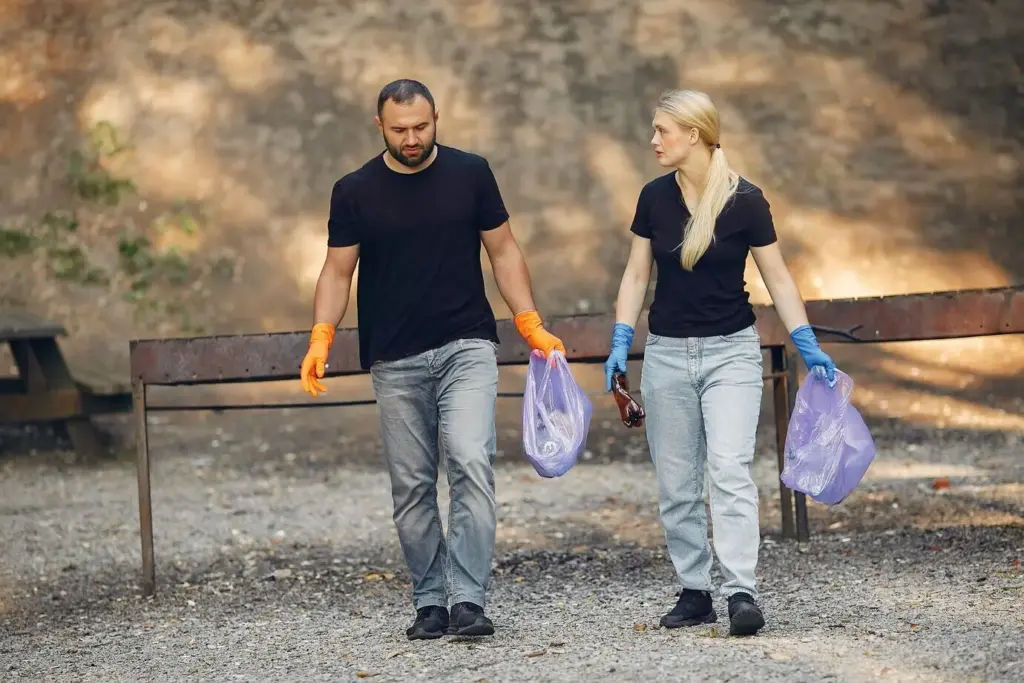
Knock on doors, text your block chat, and personally invite people who rarely get asked to lead. A good crew blends experience with curiosity, pairing retired tradespeople with teens who want to learn. Offer snacks, childcare support, and stipends if you can. Establish norms: start on time, lift safely, respect mobility needs, and ask before photographing. With trust, even tough moments—like a buried surprise or a tight deadline—become shared problem-solving instead of burnout.
Permits, Liability, and City Coordination
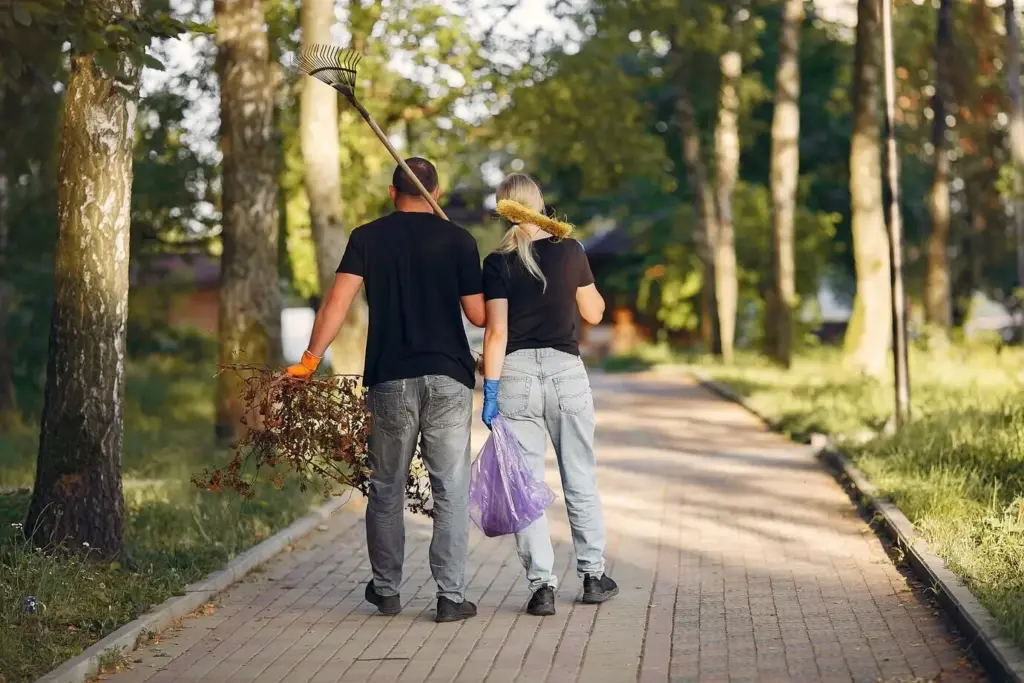
Call utility locate services before digging, understand right-of-way rules, and ask public works about standards for concrete replacement, paver sections, or temporary detours. Secure permits where required, post clear signage, and maintain an accessible bypass. Keep a simple risk log, waivers if needed, and a first-aid kit on site. Share schedules with neighbors who rely on mobility devices, deliveries, or paratransit, ensuring smooth access remains available throughout construction.
Material Sourcing Map
Track reclaimed and surplus materials using a shared spreadsheet and an easy map. Mark deconstruction yards, demolition sites, contractor leftovers, and neighbor donations. Seek broken concrete slabs, reclaimed brick, pavers, curb stones, gravel, and recycled aggregate. Inspect quality, stack safely, and label dimensions to match design details. Schedule pickups to minimize trips, and photograph sources for future reference. Over time, your map becomes a living resource, shrinking costs and embodied carbon with every repair.
Designing Durable, Accessible Repairs
Design choices should welcome everyone. Aim for stable, slip-resistant surfaces, gentle transitions, and predictable edges. Respect accessibility guidance: minimal vertical lips, beveled changes, and consistent cross-slope for comfortable wheel travel. Protect tree roots, manage drainage, and choose details that crews can actually build with available tools. Before ordering anything, test a small mockup, roll a wheelchair or stroller across it, and invite feedback from people with lived experience navigating uneven sidewalks daily.
Material Reuse That Lasts
Reused materials can be beautiful, durable, and affordable when placed over a well-prepared base. Sort pieces by size, clean old mortar, and check edges. Combine reclaimed brick, stone, or urbanite with compacted recycled aggregate and breathable joints. Favor permeable details where flooding or tree stress is common. Document what worked, from bedding depth to joint sand type, so future crews can repeat success. Sustainable choices feel good—and they stand up to seasons of weather and wheels.
Reusing Broken Concrete (Urbanite) Wisely
Urbanite shines when laid like irregular flagstone. Trim edges for tight joints, orient textured faces upward for traction, and stagger breaks to distribute loads. Seat every piece firmly on compacted base, then sweep coarse sand or stone fines into joints. Larger slabs can form edges or seating, while smaller fragments create mosaic insets. The result looks handcrafted, costs little, and rescues heavy material from landfills with every carefully placed piece.
Reclaimed Brick, Pavers, and Stone
Brick and salvaged pavers create classic, resilient paths when bedded on compacted aggregate and leveling sand. Choose interlocking patterns like herringbone to resist shear at corners and drive cuts. Check for frost-durable units in cold climates, and keep joints narrow and well-filled. If mixing colors or eras, lean into intentional gradients that look designed rather than mismatched. Spare pieces become future repair stock, keeping maintenance simple and materials circulating locally.
Permeable Bases and Drainage
A dry base is a long-lived base. Excavate soft fines, install geotextile where soils pump, and build up recycled aggregate in thin, well-compacted lifts. Pitch surfaces to drain away from foundations and soil that might erode. Consider open-graded layers with permeable joints to reduce puddles and feed trees. Edge restraint prevents migration, while periodic sweeping keeps pores open. Good drainage preserves structure, extends life, and turns heavy storms into manageable events.
Safety, Training, and Tools
People come first. Set up cones, tape, and a clear detour before lifting any slab. Provide gloves, eye and ear protection, dust masks for cutting, and sun and hydration breaks. Demonstrate lifting techniques, team carries, and spotter roles. Keep first aid visible and a charged phone on-site. Share tool libraries, maintenance logs, and rentals for compactors or saws. Quick skill demos at the start of each shift build confidence, reduce mistakes, and keep spirits high.
Funding, Partnerships, and Policy
Even small dollars go far when paired with reclaimed materials and volunteer power. Seek microgrants, adopt-a-block sponsors, and in-kind donations like aggregate or cones. Build partnerships with deconstruction firms, disability advocates, and city staff who can expedite reviews or share standards. Clear agreements about scope, maintenance, and communications keep trust strong. Track costs, hours, and impacts so future funding is easier. With consistent reporting and shared credit, supportive policies and repeat grants often follow.
Storytelling, Data, and Momentum
Stories move hearts; numbers move budgets. Track square meters repaired, tons diverted from landfill, and hours volunteered. Document before-and-after photos at the same angle, collect quotes from elders and youth, and map safer routes to parks and transit. Celebrate accessibility wins and lessons learned equally. Publish simple guides others can copy, and invite neighboring blocks to borrow tools. Momentum grows when people see what is possible and know exactly how to begin.
Collecting Meaningful Metrics
Pick metrics that matter locally: trip hazards removed, cross-slope variance reduced, puddle duration after storms, and shade gained from preserved trees. Log incidents prevented is tricky, but proxies like fewer complaints or claims help. Combine counts with brief stories explaining why each fix matters. A shared dashboard—print or digital—keeps everyone aligned and reveals which details deliver the biggest safety and comfort gains for your effort.
Photos, Voices, and Trust
Ask permission, credit contributors, and elevate voices often left out. A grandmother’s account of walking confidently again can change minds faster than any diagram. Showcase volunteers learning new skills and children chalking route markers. Pair images with context: what materials were reused, which detail solved the bump, who taught the trick. Authentic storytelling builds pride, attracts partners, and invites more neighbors to show up next Saturday morning.
Growing a Year-Round Program
Think beyond a single weekend. Plan seasonal cycles: spring assessments, summer build sprints, fall touch-ups, and winter trainings or policy advocacy. Maintain a materials yard, update your sourcing map, and keep a small reserve for urgent fixes. Rotate leadership to prevent burnout, and invite new blocks through open houses. With steady rhythms and shared knowledge, your neighborhood builds capacity that outlasts any one project and keeps sidewalks welcoming for years.

All Rights Reserved.