Sidewalk Sustainability Hacks That Start Right Outside Your Door

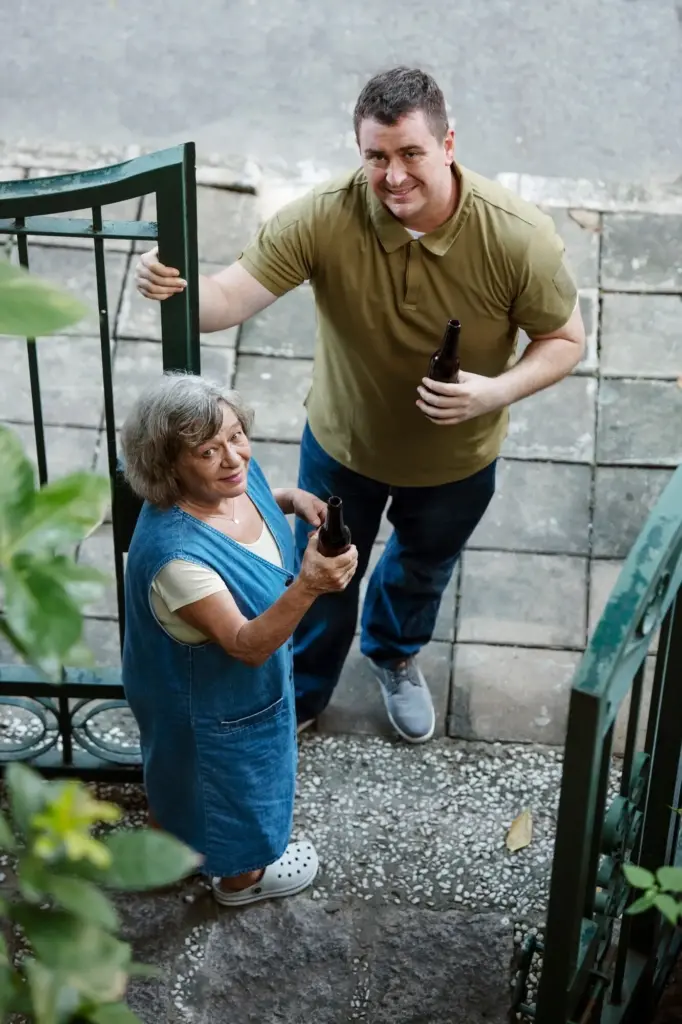
Today we dive into Sidewalk Sustainability Hacks—practical, neighborly actions that turn an ordinary stroll into a daily act of stewardship. From smarter de-icing to greener edges and rain-savvy fixes, you’ll discover joyful, legal, simple ideas that scale with community energy. Share your favorite sidewalk win in the comments, invite a friend for a walk audit, and let’s build cleaner, cooler, safer streets one step at a time together.

The Pocket Pickup Ritual

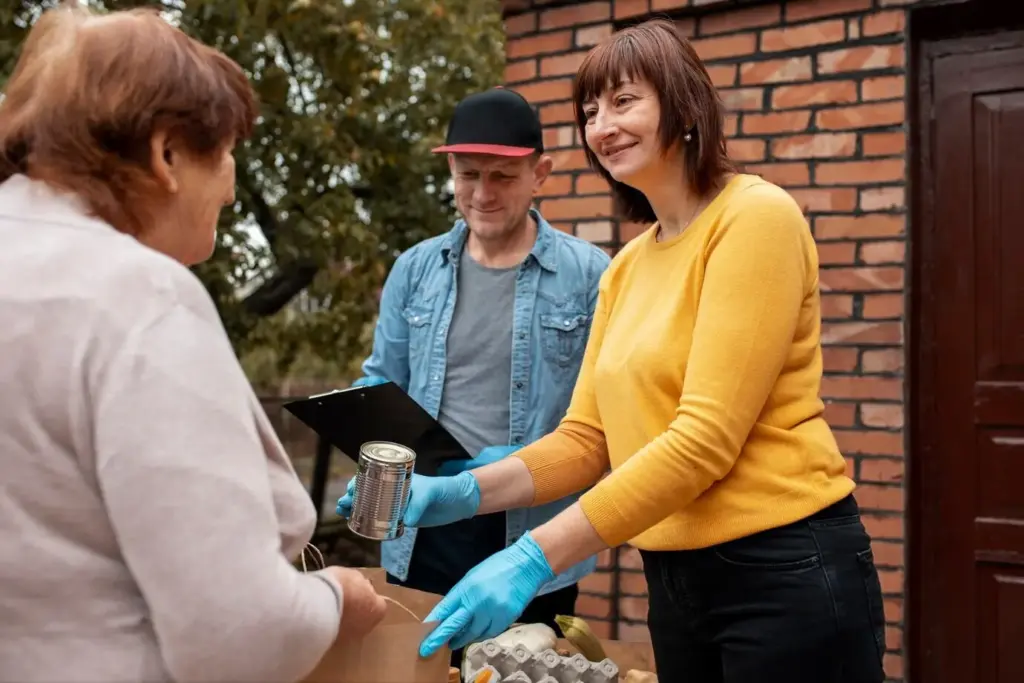
Carry a small bag and gloves, pick up a handful of litter on each walk, and celebrate tiny victories. You’ll notice patterns: snack wrappers at corners, bottle caps near benches, leaves piling by drains. Tracking a week of cleanups turns anecdotes into insight. Share a quick photo roundup to spark friendly imitation, then invite neighbors to join a playful, low-pressure monthly tidy loop.

Chalk Nudges That Spark Better Bin Habits

Temporary chalk notes—arrows toward bins, playful reminders about wind-blown lids, quick thanks for tidy porches—are gentle prompts that change behavior without shaming. Rain washes them away, so messages stay fresh and respectful. Always keep drawings off private property and avoid slippery surfaces. Photograph a before-and-after success, tag your neighborhood group, and ask others for ideas that made trash night more considerate and less chaotic.

Sweep, Edge, Clear: Five-Minute Micro‑Maintenance

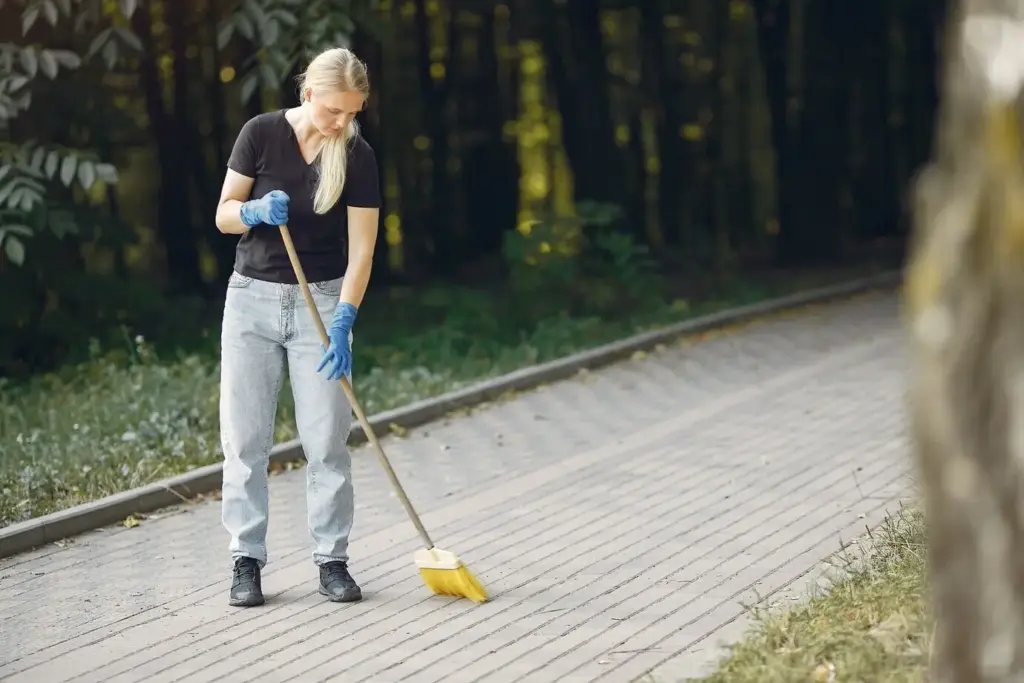
A fast sweep under tree canopies, a tidy edge near curbs, and clearing leaves from storm grates can prevent puddles, ice patches, and slippery algae buildup. These small gestures reduce maintenance costs and show care for shared space. Log recurring trouble spots on a simple map, then invite neighbors to adopt a corner. Consistency beats intensity; five minutes daily outperforms occasional heroic marathons.

Greener Edges: Plantings That Welcome Pollinators and People
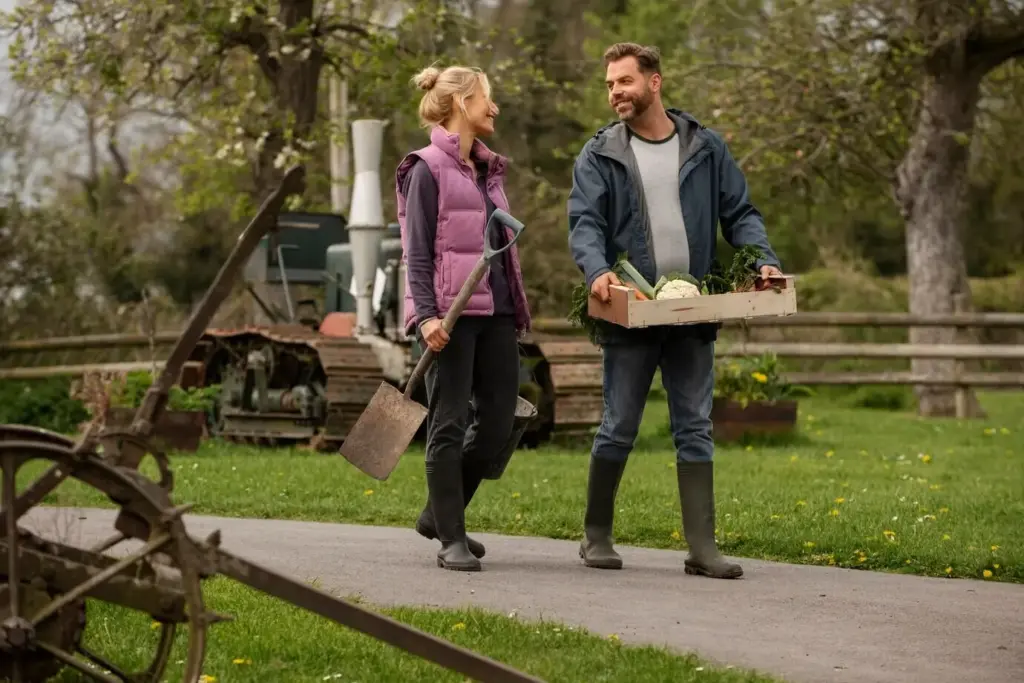
Sidewalk edges can host resilient biodiversity if we choose native plants, right-sized planters, and careful soil care. These living borders cool pavement, filter runoff, feed pollinators, and delight passersby. Before planting, check local rules, clear sightlines, and keep walking paths accessible. Document bloom times, share seeds after flowering, and invite kids to count butterflies; curiosity nurtures long-term caretakers and gentle guardianship.

Rain Smarts: Keep Water Flowing, Streets Dry, and Roots Happy

Rain turns sidewalks into laboratories for climate resilience. Clear grates, permeable edges, and coordinated watering keep puddles from forming and storm sewers from choking on debris. Many cities support Adopt‑a‑Drain programs and small rain garden grants. Learn the rules, photograph issues, and report clogged inlets. When neighbors understand the path a raindrop takes, they become champions of practical, lawful, low-cost fixes that last.

01

Permeable Patch Pilots With Permission

If your city allows, pilot a tiny permeable patch or use permeable pavers on private frontage to reduce runoff and replenish soil moisture. Always confirm permits and depth requirements, and check utility locations before digging. Monitor how quickly puddles disappear after storms. Share your data in a neighborhood group, then compile a simple how‑we‑did‑it guide so the next household can repeat your success safely.

02

Adopt‑a‑Drain: Small Effort, Big Splash Reduction

Register a nearby storm drain, give it a fun name, and keep it clear of leaves, litter, and winter grit. This routine prevents street flooding and protects waterways from plastic fragments. Post quick updates after heavy rains so neighbors see the impact. If you notice recurring blockages, report them through the city app and include photos. Celebrate milestones like a hundred days without a flooded corner.

03

Pocket Rain Gardens Beside the Walk

Where space allows and rules permit, a small, shallow planting bed with deep‑rooted natives can soak up stormwater and nourish street trees. Avoid obstructing sightlines or narrowing access. Use a mix of textures to slow flow and filter sediment. Document soil infiltration rates across seasons, then adjust plant choices. Invite passersby to scan a QR sign linking to species lists, bloom calendars, and watering plans.

Winter Walking, Minus the Salt Hangover

De‑icing Without the Damage
Start with prompt shoveling and ice breaking to minimize chemical use. Consider pet‑safe products or calcium magnesium acetate where appropriate, and never apply near tree trunks or fresh concrete. Sweep up leftover granules after thaw to prevent runoff into drains. Label bins clearly, keep them dry, and track results for different temperatures. Post a friendly sign reminding neighbors that early shoveling beats late, heavy salting every time.

Measure, Don’t Dump

A simple handheld spreader ensures even coverage and prevents wasteful piles that corrode metal and burn soil. Read labels for effective temperature ranges and avoid mixing incompatible products. Log how much you use per meter and compare across storms to optimize. Share your findings in a neighborhood message thread, invite feedback, and run a friendly challenge to cut salt use in half while keeping walkways reliably safe.

Paws, Plants, and Pavement Protection

Pet paws, street trees, and concrete joints suffer when salts accumulate. Rinse pet paws after walks, keep de‑icers away from root zones, and fill expansion cracks before winter. Add door mats to catch granules indoors. Organize a spring sweep to remove residual grit, then re‑mulch tree pits. Encourage neighbors to report slick spots promptly and celebrate blocks that maintain safe, comfortable walking without sacrificing living systems beneath our feet.

Heat Relief Underfoot: Cooler Routes, Kinder Blocks
Hot days amplify risks for seniors, kids, and delivery workers. Thoughtful shade, light‑colored surfaces where allowed, and hydration cues transform harsh routes into humane corridors. Advocate for street trees, map the hottest segments, and request relief where data supports action. Pair practical upgrades with community kindness: check on neighbors, share misting tips, and create tiny rest moments. Comfort becomes contagious, and participation grows naturally.

Sharing the Way: Accessibility, Equity, and Neighborly Stewardship

A sustainable sidewalk serves everyone—parents with strollers, wheelchair users, elders, runners, and late‑shift workers. Clear paths, audible cues, steady lighting, and respectful behavior matter as much as plantings or drainage. Start with empathy, verify with standards, and keep records. Host regular check‑ins, celebrate improvements, and invite honest feedback. When people feel seen and safe, they contribute ideas, time, and goodwill that outlast any single project.

Respect the Tactile Path

Tactile paving guides people with low vision; keep it clear of planters, signs, scooters, and decorative clutter. If you manage adjacent space, mark boundaries so deliveries avoid blocking detectable warnings. Report damaged tiles promptly with precise locations and photos. Offer neighbors a quick primer on what those bumps mean. The more people understand, the less often critical cues get buried under well‑meaning but misplaced objects.

Mind the Ramps and Crossings

Curb ramps require unobstructed access and smooth transitions. Clear snow ridges, sweep gravel, and avoid parking over the flares. Note ponding after rain and report it with timestamps so crews can replicate conditions. During events or street sales, provide clear aisles and visible wayfinding. Invite mobility device users to test routes and share feedback. Learning directly from experience leads to practical fixes that truly remove barriers.

Host a Friendly Walk Audit

Gather neighbors for a slow stroll, logging trip hazards, dim lighting, blocked signs, or uneven slabs. Use a simple form, assign roles, and capture photos with geotags. Prioritize quick wins, then escalate bigger issues with evidence. End with refreshments and a plan for follow‑up emails, volunteer shifts, and check‑ins. Consistent, positive energy keeps people engaged and turns observations into steady, measurable improvements.

Valarotomukife
Privacy Overview

This website uses cookies so that we can provide you with the best user experience possible. Cookie information is stored in your browser and performs functions such as recognising you when you return to our website and helping our team to understand which sections of the website you find most interesting and useful.