Cooler Walkways Under Living Canopies and Sun‑Savvy Surfaces
Today we explore cooling walkways with shade trees and high‑albedo surfaces—how thoughtful canopies and reflective materials tame heat, protect pedestrians, and uplift streetscapes. Expect practical strategies, honest lessons, and inspiring examples. Share your observations, ask questions, and subscribe for field notes you can apply on your very next project.
Understanding Heat, Light, and Comfort on the Ground
Urban heat lives at walking height, where sun, materials, and air meet. By combining generous tree canopies with bright, high‑albedo surfaces, we reduce mean radiant temperature, lower skin and pavement temperatures, and improve comfort, encouraging longer walks, safer commutes, and friendlier, more resilient streets.
Why Shade Changes Everything
Tree shade blocks direct solar radiation, cutting the most punishing heat load on skin, clothing, and paving. Even small patches provide relief during peak hours. Layered canopies, staggered plantings, and seasonal foliage create moving islands of comfort that invite pause, conversation, and spontaneous neighborhood life.
The Power of High-Albedo Finishes
Reflective pavements bounce a larger share of sunlight back to the sky, limiting heat absorption and slowing temperature spikes. With mindful glare management and color selection, these surfaces keep soles cooler, reduce material fatigue, and complement shade, delivering comfort that lasts through long, bright summer afternoons.
Putting It Together: Synergy on Real Streets
Pairing continuous canopy with reflective, permeable paving multiplies benefits. In one corridor retrofit, surface temperatures dropped by double digits, while visitors lingered longer at benches and storefronts. Breezes moved freely under pruned crowns, and evening strolls grew popular as heat released quickly into the night sky.
Choosing Trees That Truly Cool
Cooling success starts with the right trees. Consider mature spread, leaf density, growth rate, drought tolerance, and compatibility with sidewalks, utilities, and sightlines. Deciduous canopies admit winter light yet shade summer sun, while resilient species reduce maintenance interruptions, protect pavements, and create welcoming, cohesive walking corridors.
Surfaces That Stay Bright and Kind to Feet
Reflective walkable surfaces must balance brightness, traction, durability, and visual comfort. Options range from high‑albedo concrete mixes and light pavers to cool coatings and binders. Textures reduce glare and slipping, while color warmth and patterning keep spaces welcoming, reducing fatigue and supporting inclusive, enjoyable everyday mobility.
Designing the Walkway as a Cooling System
A walkway cools best when its parts collaborate. Align routes to capture breezes, stagger tree spacing for overlapping shade, and prevent wind blocks at corners. Provide generous soil, protect visibility at crossings, and shape edges that guide water to roots, nurturing living infrastructure that cares back.

Measuring Success and Telling the Story
Cooling is meaningful when people feel it. Measure surface and air temperatures, mean radiant temperature, humidity, wind, and shade coverage. Pair data with interviews and observations to understand behavior changes, comfort thresholds, and who benefits, ensuring investments improve lives equitably across ages, abilities, and neighborhoods.

Implementation, Costs, and Community Care
From idea to daily shade, coordination matters. Align departments, utilities, merchants, and residents around clear specifications, budgets, and responsibilities. Anticipate maintenance, replacement cycles, and watering needs. Build momentum with pilots, celebrate early wins, and secure funding that sustains comfort long after ribbon cuttings and news headlines.
Phasing, Budgets, and Lifecycle Costs
Start where exposure is worst and foot traffic is high. Compare upfront expenses with cooling benefits, avoided healthcare costs, and extended pavement life. Lifecycle thinking reveals that trees and reflective materials, maintained well, often outperform status‑quo approaches financially while delivering healthier, more joyful streets for decades.

Policies, Standards, and Approvals
Adopt clear reflectance targets, minimum soil volumes, and canopy coverage goals within street design manuals. Coordinate with accessibility standards and lighting guidelines to prevent glare while ensuring safe navigation. Streamlined permits help communities plant faster, resurface smarter, and protect cooling investments through construction, emergencies, and future upgrades.
Stewardship, Volunteers, and Ongoing Engagement
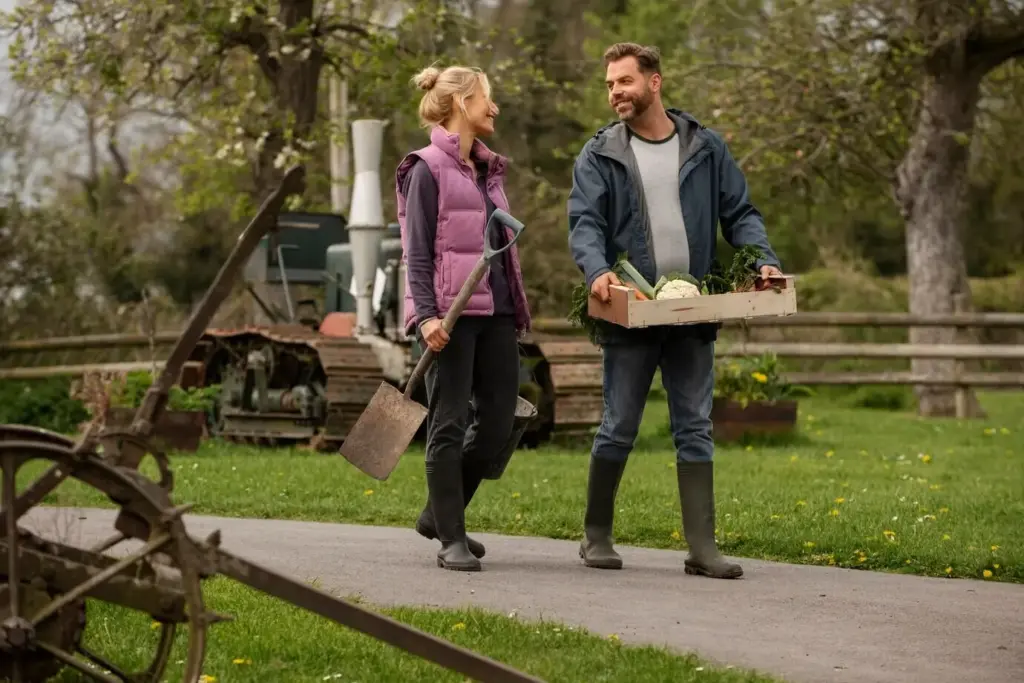
Cooling thrives where neighbors care. Organize watering brigades, adopt‑a‑tree programs, and seasonal cleanup days. Share pruning workshops, celebrate new plantings, and invite local stories and photos. Encourage readers to subscribe, comment, and volunteer so care becomes culture, and comfort endures through summers, storms, and leadership changes.

All Rights Reserved.